Reviews
Part of How to organize a family collection: select first, then label, copy and record what exists
Family history organization storage: what to keep apart
Family history organization storage: keep incompatible materials apart, support books upright, and give textiles and objects their own boxes and labels.
What to take away
- Family history organization storage starts with recognizing that a collection contains materials with conflicting needs; separate incompatible items.
- Textiles are usually the most sensitive item in a household collection, and light is their main enemy.
- Books want to stand upright and supported, or lie flat if they are large. Not leaning.
- Separating incompatible materials costs a sheet of paper and prevents most slow damage.
What is actually in the boxes
A typical inherited collection may hold photographs, letters, certificates, newspaper cuttings, books, textiles, and objects. They have different storage needs. This article focuses on the separation principle, with specific examples for textiles, books, and household objects; photographs and paper records should also have their own enclosures. For family history organization storage, recognize those differences rather than assume one arrangement suits everything.
That is usually the textile. The Canadian Conservation Institute's note on textiles and the environment says why: textiles are among the most sensitive objects in museum collections because of their organic nature, affected by light, incorrect relative humidity, incorrect temperature, pests, physical forces and pollutants.
Its treatment of light is the useful part for a house. Light is essential to seeing a textile, and it also fades colors and weakens fibers. Ultraviolet, beyond the violet end of the visible range, is more energetic and more damaging than infrared beyond the red end, and both ultraviolet and visible radiation cause photochemical damage while infrared does not.
It frames the effort realistically too, presenting ideals to strive toward while noting that even small efforts against the most damaging agents have positive long-term effects.
Books, and the way they fail
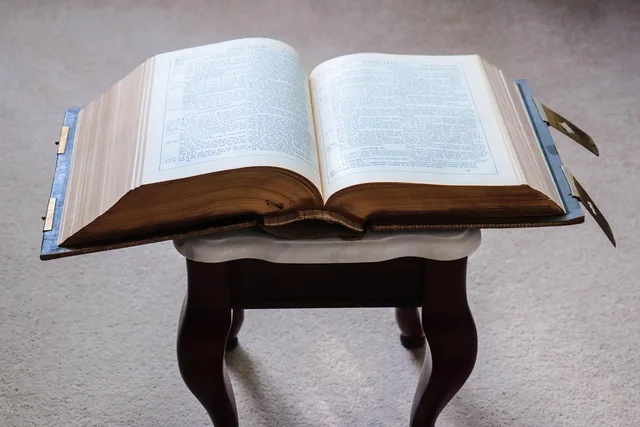
Books fail structurally rather than chemically, and mostly through how they are shelved. The New York State Archives guidance on caring for books starts with the blunt instruction to keep treasured books out of attics and basements, then gets specific.

For use: remove a book from a shelf by pushing back the volumes on either side and grasping it along the spine, rather than pulling the top of the spine with a finger. Open books carefully and do not press down on the pages to flatten the spine.
For shelving: stand books upright and support them with volumes or bookends of similar size, displaying very large books flat. Shelve on surfaces lined with polyester film or heavy acid-free paperboard, avoiding direct contact with wooden shelves. Protect damaged books in acid-free boxes and inspect them regularly, contacting a conservation professional at any sign of mold or pests.
For care: dust at least once a year with a dusting cloth or a vacuum on very low suction with a brush attachment covered in cheesecloth. Seek professional advice before repairing a valuable book, and use no oils, leather dressings, saddle soap, polish or adhesive tape.
Objects, which nobody plans for
The item that derails a household storage plan is usually not paper at all. It is a christening gown, a service medal, a lock of hair in an envelope, a pair of spectacles, a christening cup. These arrive with the papers and get stored with them because there is nowhere else.
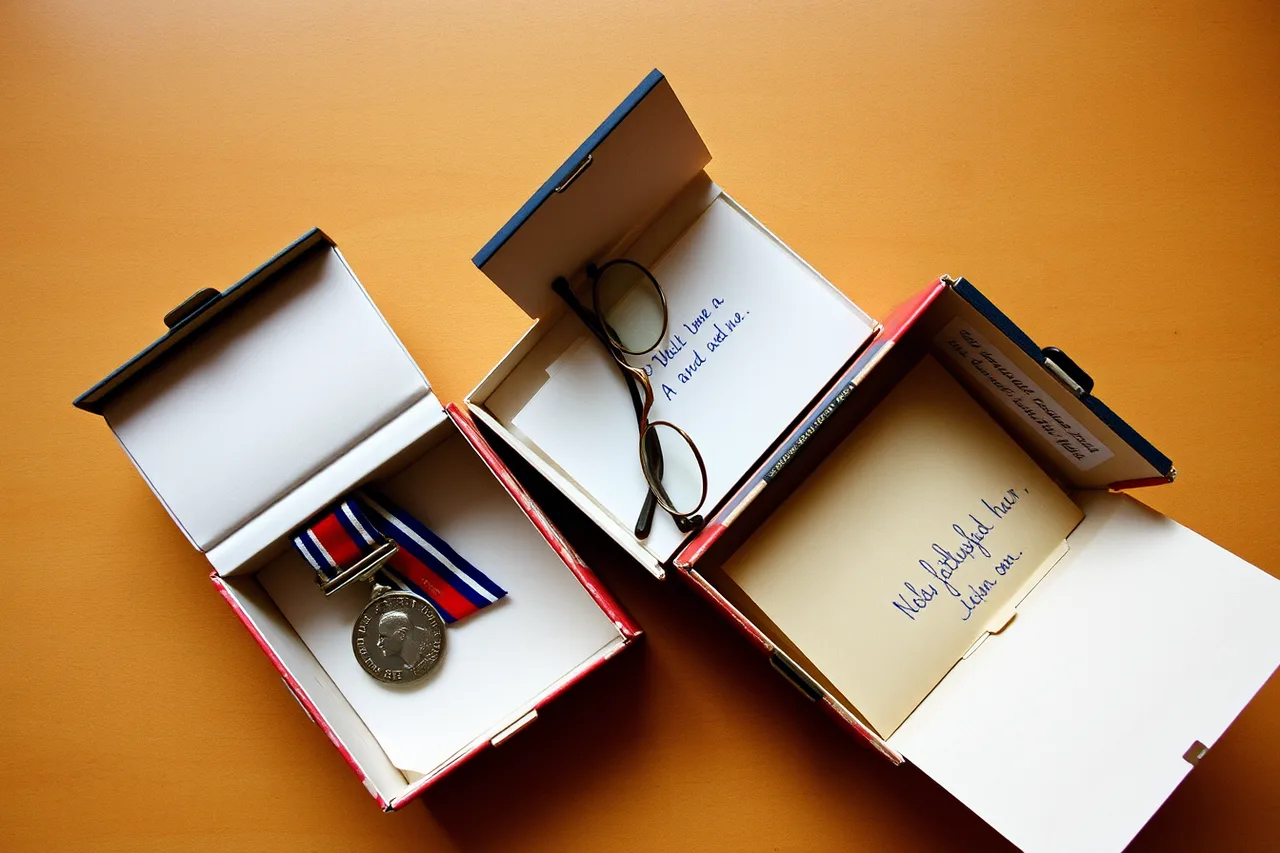
Give them their own boxes and their own note. Metal wants dry conditions and separation from paper. Hair, feathers and anything organic wants unbuffered enclosures and a check for insects. Anything made of early plastic wants ventilation rather than a sealed bag, because degrading plastics concentrate their own decomposition products.
The rule is the same one that governs the rest: enclose separately, label the outside, and record which box holds what before the lid goes on.
Keeping incompatible things apart
| Put apart | Because |
|---|---|
| Newsprint and everything else | Highly acidic, browns its neighbors |
| Textiles and buffered paper | Protein fibers do not want alkalinity |
| Metal objects and paper | Corrosion products stain |
| Anything damp and anything dry | Moisture moves toward the dry item |
| Rubber, vinyl and any original | Both off-gas as they degrade |
A sheet of acid-free paper between two things is the cheapest intervention in this article and prevents more damage than most purchases.
Our guide to organizing a family collection covers the sequence, and the notes on reading the labels on supplies cover buffered and unbuffered in more detail.