Features
Part of How to organize a family collection: select first, then label, copy and record what exists
4 things about family history organization worth your time
Family history organization options: displaying an open book safely, and burying a time capsule that survives, two appealing family history projects.
What to take away
- Four family history organization projects earn the timesupporting an open book, sealing a time capsule, labeling a box instead of burying it, and moving loose material into acid-free storage.
- A book left open on a shelf is being damaged by its own weight. Support solves it cheaply.
- Never display a volume upright with covers open unless the text block is supported underneath.
- Time capsules mostly fail through moisture and metal, not through being forgotten.
- All four projects work. Each has a specific, documented way of going wrong.
Idea one: display an open book
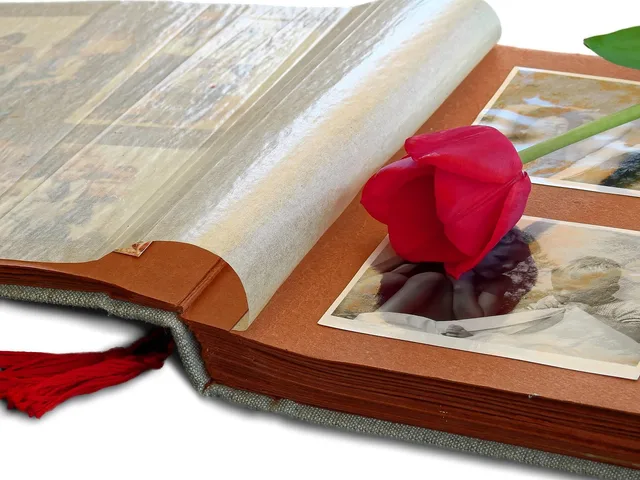
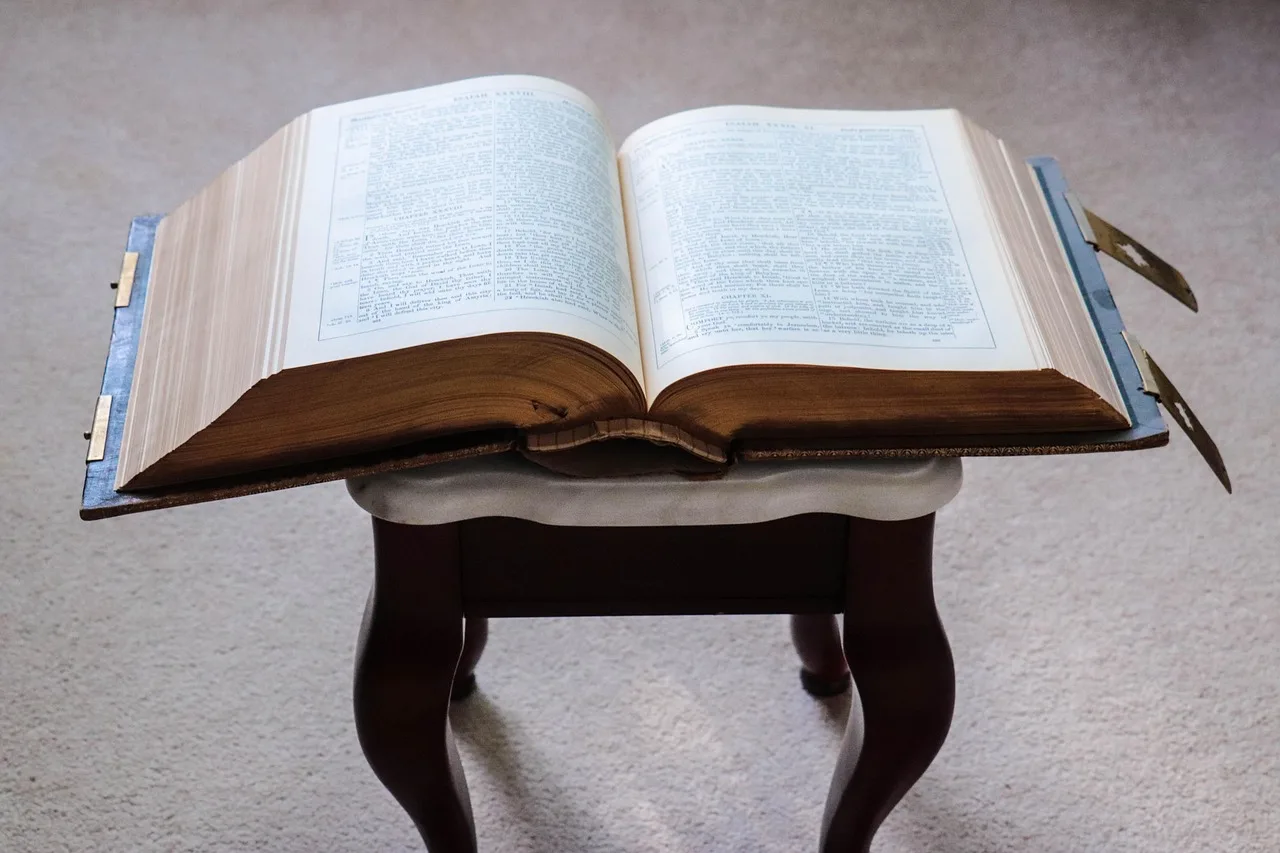
Showing a family bible or a photograph album open on a shelf is a good idea done badly almost everywhere. The Canadian Conservation Institute's note on display methods for books starts from the reason: almost all books are designed to be read, they are not static objects, and preventing damage means accommodating the binding structure.
Its factors are the ones to think through before propping anything up: the environment, whether the position will shift over the display period, the binding itself, and the angle you want.
Two instructions matter most at home. Never display volumes upright with covers open and nothing supporting the text block; the weight distorts and damages the binding.
When a book sits at an angle, support it along the whole thickness of the text block. Add a ledge or lip on the mount so it cannot creep forward.
It also rules on the obvious material. Wood is not typically recommended for displaying books, and where unavoidable it should be sealed and faced with acid-free matboard as a buffer.
The note is encouraging about cost, saying a few simple and inexpensive techniques can support a book and help prolong its life. A shaped foam cradle and a strip of clear polyester across the pages is most of the job.
The cradle foam is usually polyethylene, sold as Ethafoam. The strap is archival polyester, sold as Melinex 516 or Mylar D. Both are inert, and archival suppliers sell them by the sheet for a few dollars.
Turn the pages on a schedule. A book open at the same spread for two years fades that spread and creases that opening permanently.
Why display and burial projects appeal, and why that is a warning
Both projects make a collection visible, which is a real benefit: material nobody ever sees tends to get thrown out by the next generation. It is also why both are done badly. The impulse is to set something up and leave it, and neither tolerates being left.
An open book needs its pages turned. A capsule needs a record kept outside it. Build the maintenance in at the start, or the project becomes the damage.
Idea two: bury a time capsule
Time capsules are a good family project, and they fail in a documented way. The Canadian Conservation Institute's note on time capsules covers both recovering old capsules and preparing new ones.
It observes that material from building foundations is often fragile and must be extracted with great care. Few guidelines exist, so much harm comes to material prepared improperly and buried in inadequate conditions.
Know the failure mechanism before you seal anything. Copper sheet and tinplate were the usual nineteenth century materials, and capsules made that way generally survive sound.
Trapped moisture plus caustic soldering flux corrodes the copper and the steel under the tinplate, creating a highly acidic interior. That interior discolors and may disintegrate contents, especially paper, leather and textile.
Different metals in contact set up small electric cells with moisture and salts, accelerating corrosion at the joins.
Two capsules sealed decades ago are still waiting. The Westinghouse capsule at the 1939 New York World's Fair site in Queens was cast from one copper alloy, Cupaloy, and set to open after 5,000 years. The Crypt of Civilization at Oglethorpe University in Georgia, sealed in 1940, is scheduled for 8113.
| Decision | Better choice |
|---|---|
| Container material | One material throughout, not mixed metals |
| Sealing | Dry contents and a dry interior before closing |
| Contents | Paper and photographs, copied first |
| Location | Indoors and dry, not buried |
| Documentation | A record outside the capsule saying what is inside |
That last row is the one families forget. A capsule nobody knows about is not a time capsule; it is lost property.
Idea three: a labeled box on a shelf instead of a burial
If the appeal is the ceremony rather than the burial, use a labeled box on a shelf with an opening date on it and a contents list held by somebody else. It survives, it can be added to, and it does not depend on a building still standing.
Gaylord Archival in Syracuse, New York and Hollinger Metal Edge in Fredericksburg, Virginia both sell acid-free boxes sized for letters, legal files and photographs. A letter-size box typically runs about $12 to $35, and a drop-front style lets you add items without unpacking the rest.
Our guide to organizing a family collection covers the work these projects sit on, and the notes on storing mixed material cover the contents in between.
Idea four: acid-free sleeves and folders, plus a free FamilySearch scan
Loose prints, negatives and documents need sleeves and folders before they go in the box. Polyester, polypropylene and polyethylene are safe; PVC is not, and home photo albums from the 1970s and 1980s often have it.
Lineco in Holyoke, Massachusetts makes acid-free folders and photo sleeves, and Print File sells negative pages that fit a three-ring binder. A pack of 100 archival photo sleeves typically runs about $10 to $30.
Copy the originals before you store them. FamilySearch, run by the Church of Jesus Christ of Latter-day Saints, hosts photos, documents and audio free with an account.