Reviews
Bench setups compared for family archive work, from paper to textiles
A mixed family collection needs one bench that changes shape, not three. Here is how each setup is laid out for paper, photographs and textiles.

Topic
Reviews
A mixed family collection needs one bench that changes shape, not three. Here is how each setup is laid out for paper, photographs and textiles.
Maintenance
Mold needs humidity above 65 percent, warmth and still air. What to do in the hour you find it, and the four things people do instead that make it worse.
Reviews
How to spot cellulose nitrate in old family objects by date, look, smell, and trade names, and how to store it ventilated, cool and labeled.
Reviews
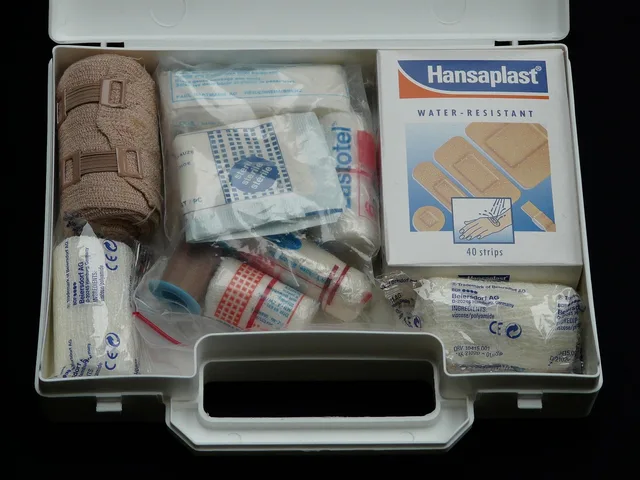
Kit for the emergency you have not had yet: emergencies become disasters when nobody prepared. The short household kit, the one-page plan, and who to call.
Industry
What the published project accounts agree on: across film, tape and digital preservation guidance, the same four conclusions recur. What they.
Industry
Family archive case studies are rare, so this looks at what published evidence from the NIST disc study, LOCKSS and NDIIPP can and cannot show you.
Features
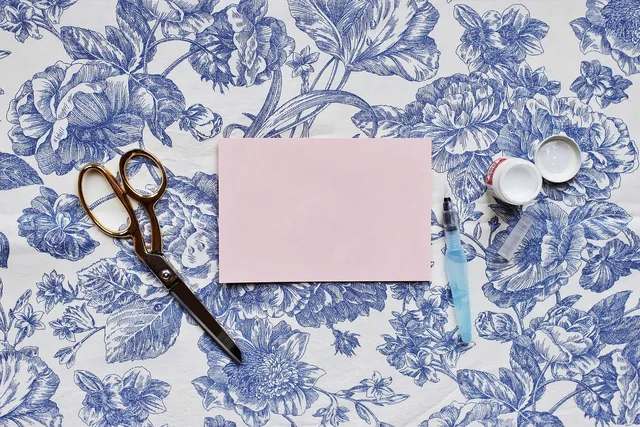
Testing a fabric for colorfastness and preparing a mount board: two contained projects that teach you to test materials before trusting them with anything.
Reviews
How to store mat board, tissue, folders, foam and sleeves so they stay usable, plus what to keep in a grab bag for records you cannot replace.
Guides
A home archive supplies learning plan for a weekend: practice building a reusable double cardboard box, place hand holes, cushion it, and test it.
Reviews
A first-time buyer's comparison of hygrometers, light meters and moisture meters, and which measuring tools a home archive should actually own.
Guides
Lighting a collection: lamp choice is a preservation decision as well as a photographic one. Why some LED lamps fade material faster than the lamps they replaced.
Reviews
Home archive shelving decides what the boxes sit on. How to choose between lining bare wood and buying steel, and what upkeep each choice asks of you.
Industry
A reseller quotes a rate and sends the work out. A restoration specialist names the formats they run in house and the equipment that reads them.
Guides
Preparing an original to leave the house: sending a family item to a studio is the riskiest hour of its life. What to check before it travels, how to pack it.
Costs
Commissioning restoration work, and what to ask before the price: how to specify a job so quotes are comparable, the questions professionals ask vendors.
Reviews
What to specify when you have new prints made from family photographs, and how to identify a glass plate before anybody scans, cleans or handles it.
Industry
Water damage develops over minutes to hours, and simple air drying is often wrong. The emergency sequence, and how to get a wet item out of its frame safely.
Industry
Three different jobs go by the name restoration. Knowing which one you want, and learning the vocabulary for damage, decides everything that follows.
Reviews
Four work surfaces compared for archive handling, showing which mistakes happen on each and what to check before you lay fragile material down.
Maintenance
Why cleaning is the most damaging thing a beginner does, what liquids actually do inside a layered object, and what to do instead when something is wet.
Reviews
Materials that quietly cause the damage: some of the worst things in a family collection are the storage materials themselves, degrading plastics and rubber.
Reviews
Kit for finding problems before they spread: the monitoring and containment kit for a home archive, what to buy for detection, what isolation actually requires.
Industry
Inspection routine that catches problems early: active and passive detection explained, how often to inspect a home collection, what to look at in a building.
Maintenance
What actually damages a home archive: damage in family collections comes from a short list, pests, damp, light, handling and one hopeful repair.
Features
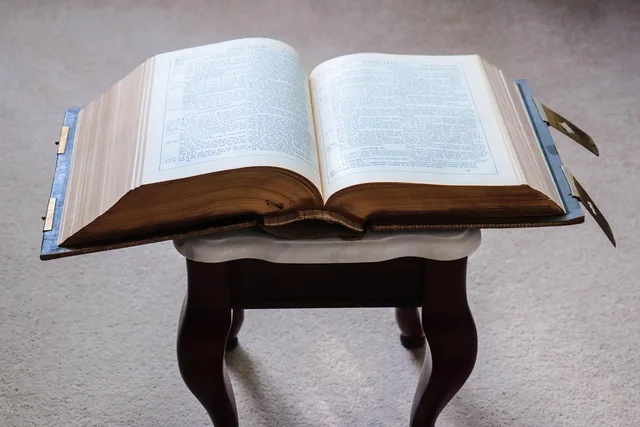
Family history organization options: displaying an open book safely, and burying a time capsule that survives, two appealing family history projects.
Reviews
Family history organization storage: keep incompatible materials apart, support books upright, and give textiles and objects their own boxes and labels.
Guides
A beginner project in family archive care: free institutional guides, journals, blogs and library resources for organizing and preserving family history.
Reviews
It compares five numbering schemes for a family collection, names software tied to some, and gives file naming rules plus answers to common questions.
Guides
A condition report for family collections: what to photograph, what to write down, what to check before handling, and why a dated record tracks change over time.
Guides
A beginner's order for organizing a family collection: select what to keep, group it, label boxes and files, copy the fragile and the digital; check twice a year.
Reviews
The short list of supplies that earns its place on a family archive first pass, in buying order, plus the equipment worth delaying until you know the size.
Reviews
How the National Archives frames resolution, why consistent settings matter, and what to record when preparing a home photo-scanning workflow.
Guides
A working sequence for family photographs: identify the processes, set the conditions, copy what is fragile, then house the originals and leave them alone.
Guides
Psocids in a cupboard as a humidity warning: the 58 percent threshold, what a sealed box can and cannot do, and storing papers in a small flat.
Guides
Running a photograph archive without a spare room: choosing the least bad cupboard, monitoring it properly, and using an upright freezer as cold storage.
Guides
Weekend spent learning to mount and support: a two-day practice plan done entirely on scrap and copies, cooking a reversible paste, cutting mat windows.
Reviews
Choosing a table for archive work: size, height, light and the rules about food, drink and pens that make a household surface behave like a reading room.
Reviews
A home scanning station costs between a few hundred and a few thousand dollars in 2027, depending on the scanner, the bench and the supplies you choose.
Reviews
This document preservation comparison covers household risks from water, light, folding and access, plus separating working papers from historic records.
Industry
When framing or mounting should go to document preservation companies instead of your own hands, five questions for a shop, and where conservators are listed.
Guides
How to begin a family archive: count before you buy, fix the storage location first, keep original order, and do only reversible work in the first pass.
Maintenance
Family archives mistakes like tape, lamination, and refiling can cause lasting harm. Learn safer alternatives and how to preserve a relative’s original order.
Industry
Fire and emergency planning translated to a house: the three-element model behind fire risk, and the hazard survey that turns worry into a short list of fixes.
Industry
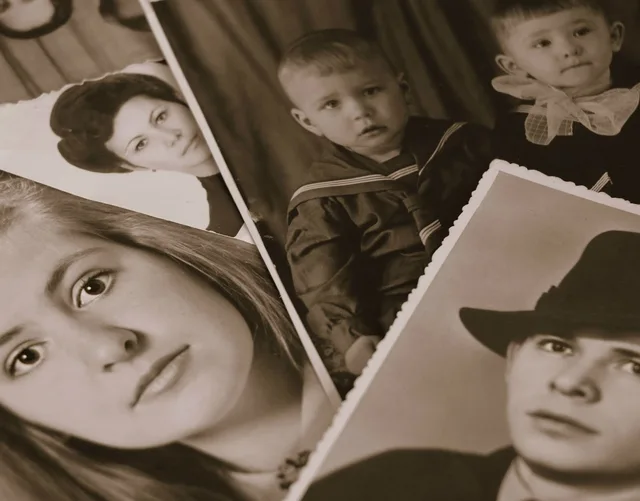
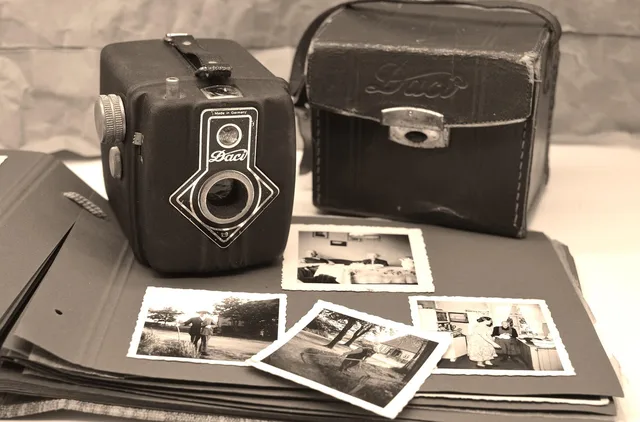
Risk in a photograph collection follows the material, not the subject. How to spot nitrate and acetate film, cased images and color, and what each one needs.
Reviews
Family archives materials: what the words on archival packaging mean, where lignin and alum-rosin sizing come from, and when buffered storage is the wrong choice.
Reviews
How to choose open, widely supported formats for scans and apply disc handling and storage rules that protect a family photo collection over time.
Guides
Memory display ideas how to mount a copy: use reversible supports for the original, keep glazing off the surface, and leave a stuck original in its frame.
Costs
Document preservation cost starts with the room, not the box. Use the typical retail ranges to prioritize moisture control and buy only what fits.
Costs
Photo archives cost depends on size, copying method, and storage target; learn how these choices shape a project without a flat price list.
Reviews
Storing framed pieces and textiles between rotations: where display items go when they come off the wall, vertical screens for frames, flat storage for textiles.
Reviews
Glazing, matboard and hinges for a first frame, with the named products and acid-free tape worth comparing before you spend anything on a display.
Industry
Where to learn photograph preservation without naming studios, plus the inspection routine that tells you whether a copying job came back good enough.
Industry
How a digitization project is actually planned: the order institutions work in before any scanning starts, identify the formats, assess condition, inventory.
Maintenance
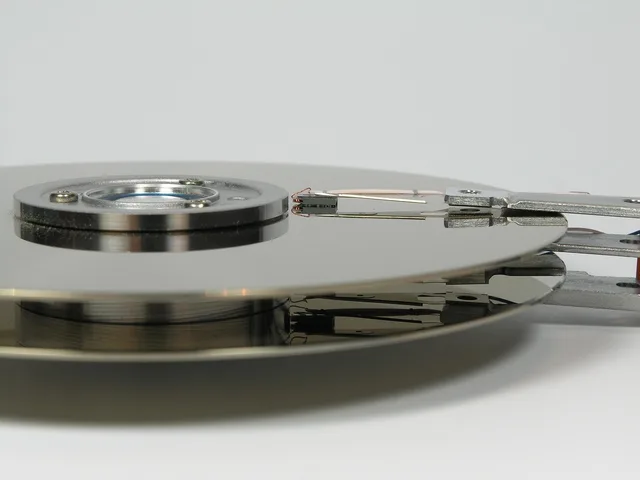
Why media that reads today can still be near failure, how error correction hides decay, and what routine checks and kept originals do to prevent loss.
Features
Rolling a flag, framing a sampler, and building a rotation board: three contained projects that teach a single technique each without risking a collection.
Features
Displaying keepsakes without wearing them out: light is the cost of display, and it is cumulative. How to frame family pieces properly, rotate them.
Costs
No price list here. The real cost of digitizing is the maintenance a file needs after it exists: readable media, working hardware, and copies that get checked.
Reviews
What to buy first for family papers: folders, boxes and interleaving in buying order, plus the honest answer on old scrapbooks, box them, copy them.
Reviews
What to buy first for a photograph collection: paper or plastic, buffered or neutral, sleeve or envelope, how to choose photograph enclosures.
Industry
What institutional practice teaches a household collection: the conservation basics that transfer from an archive to a house, the ones that need a building.