Guides
Part of Home archive shelving: line the wood or replace the unit
Home archive supplies learning plan: practice a double box
A home archive supplies learning plan for a weekend: practice building a reusable double cardboard box, place hand holes, cushion it, and test it.
What to take away
- A container is a systeman outer box, an inner box, and cushions between them doing the actual work.
- Cushion size follows from object weight, not from how fragile something feels.
- Hand holes placed correctly reduce both the chance of a drop and the severity of one.
- Build on scrap first. Cardboard is cheap and the second attempt is always better.
- This home archive supplies learning plan centers on a reusable double box and a weekend of practice.
Saturday: the double box
Start with a container that has published performance behind it, not one you improvise. The Canadian Conservation Institute's note Reusable Double Cardboard Box Package explains how to build a complete package for fragile objects.
It adapts to various contents, is reusable many times, and its parts are easy to store, recycle, or replace. It includes basic performance data on protective capabilities.
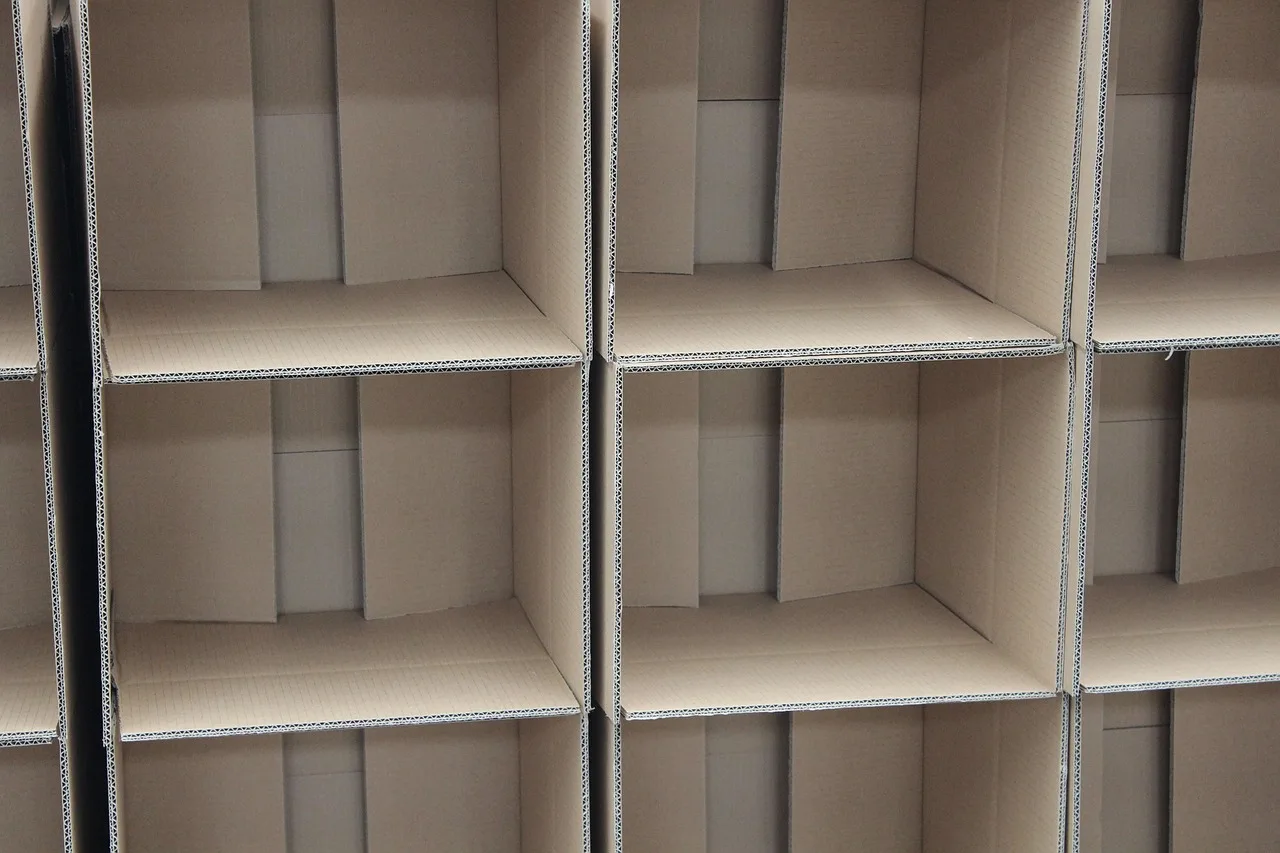
The specification is the useful part for a weekend. The system is a double box with pre-designed cushions. The outer box measures 61 cm on each side, roughly 24 inches, and the inner box measures 41 cm, roughly 16 inches, with both made of double-wall cardboard chosen for load capacity and durability.
One detail is worth copying into every box you ever make. Hand-hole cutouts are positioned at approximately three quarters of the height, which the note says reduces both the likelihood of accidentally dropping the box and the severity of the impact if it happens. That is a free improvement, and almost nobody does it.
Build one at the published size on Saturday, even if you have nothing that size, because getting the geometry right on a practice box is the point.
Sunday: corner pads
The cushions are where the protection actually comes from. The Canadian Conservation Institute's note Foam Corner Pads makes two claims that decide how you approach them: properly designed corner pads provide excellent protection, and they make very efficient use of cushioning material.
The note's method is the part that turns this from craft into technique: it selects corner pads for cube-like objects by weight. Weight, not fragility, not size, not how nervous the object makes you.
That is worth sitting with, because it inverts the household instinct. People wrap the precious thing in more foam and the ordinary thing in less. The physics does not care which one is precious; it cares what the mass is and how far it can fall.
| Session | Task | Success looks like |
|---|---|---|
| Saturday morning | Cut and assemble the outer box | Square, with hand holes at three quarters height |
| Saturday afternoon | Cut and assemble the inner box | Sits centered with even gaps all round |
| Sunday morning | Make corner pads to weight | Object suspended, not touching the outer walls |
| Sunday afternoon | Load, close, lift, carry, unload | Nothing shifts, nothing touches |
What to gather for the weekend
Double-wall cardboard, enough for two boxes at the published sizes. A long straight edge and a sharp blade. A cutting surface you do not mind scoring. Closed-cell foam in one thickness to start with for practice. A tape measure and a pencil.
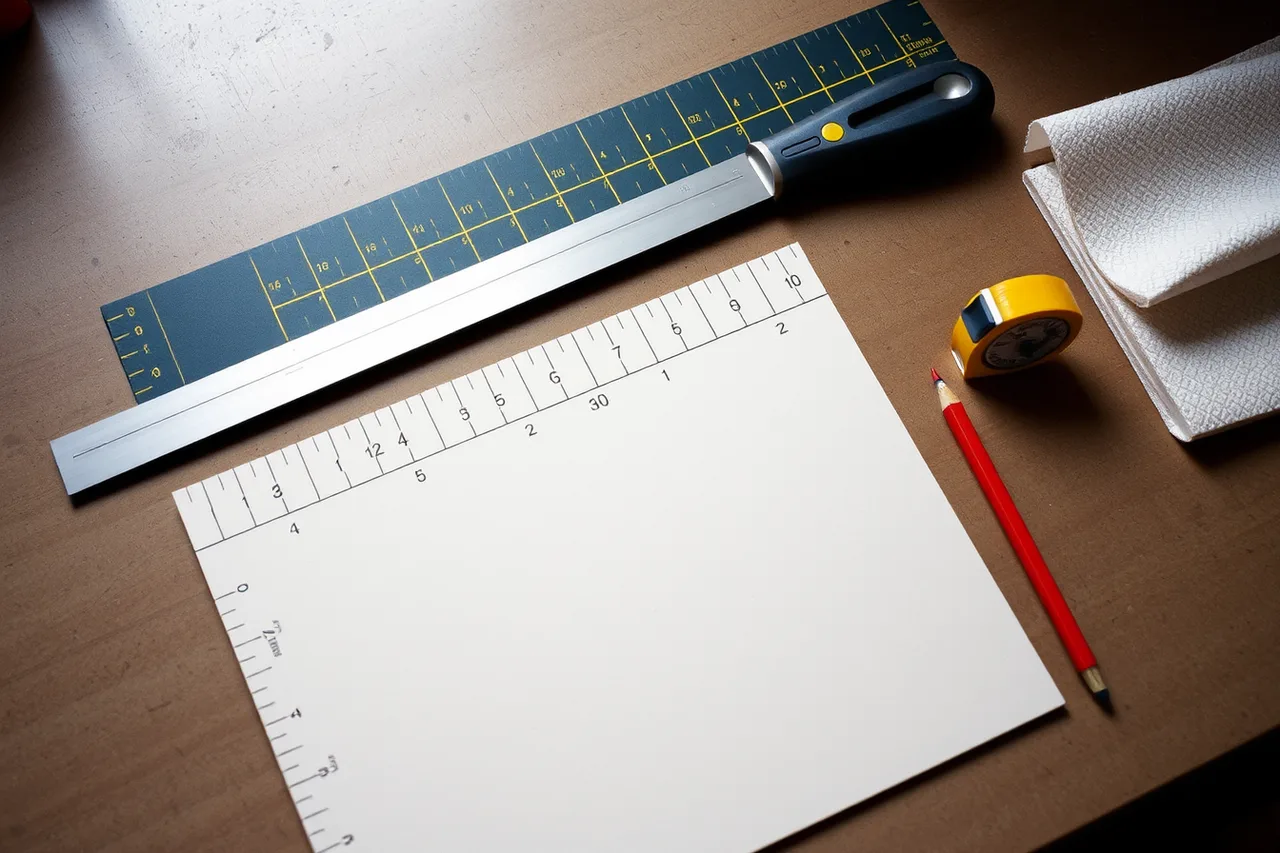
Do not buy specialist cutting tools yet. A blade and a straight edge cut cardboard perfectly well, and the skill being learned is measuring and squaring rather than cutting.
The test that matters
Load the finished package with something expendable of about the right weight. Carry it downstairs, put it in a car, drive somewhere, bring it back. Open it. Anything that has moved is a design fault, and you have just found it for free.
The weekend spent learning to mount and support covers the flat-work equivalent of this exercise.