Reviews
Part of Home archive shelving: line the wood or replace the unit
Measuring tools for a home archive, compared for a first-time buyer
A first-time buyer's comparison of hygrometers, light meters and moisture meters, and which measuring tools a home archive should actually own.
What to take away
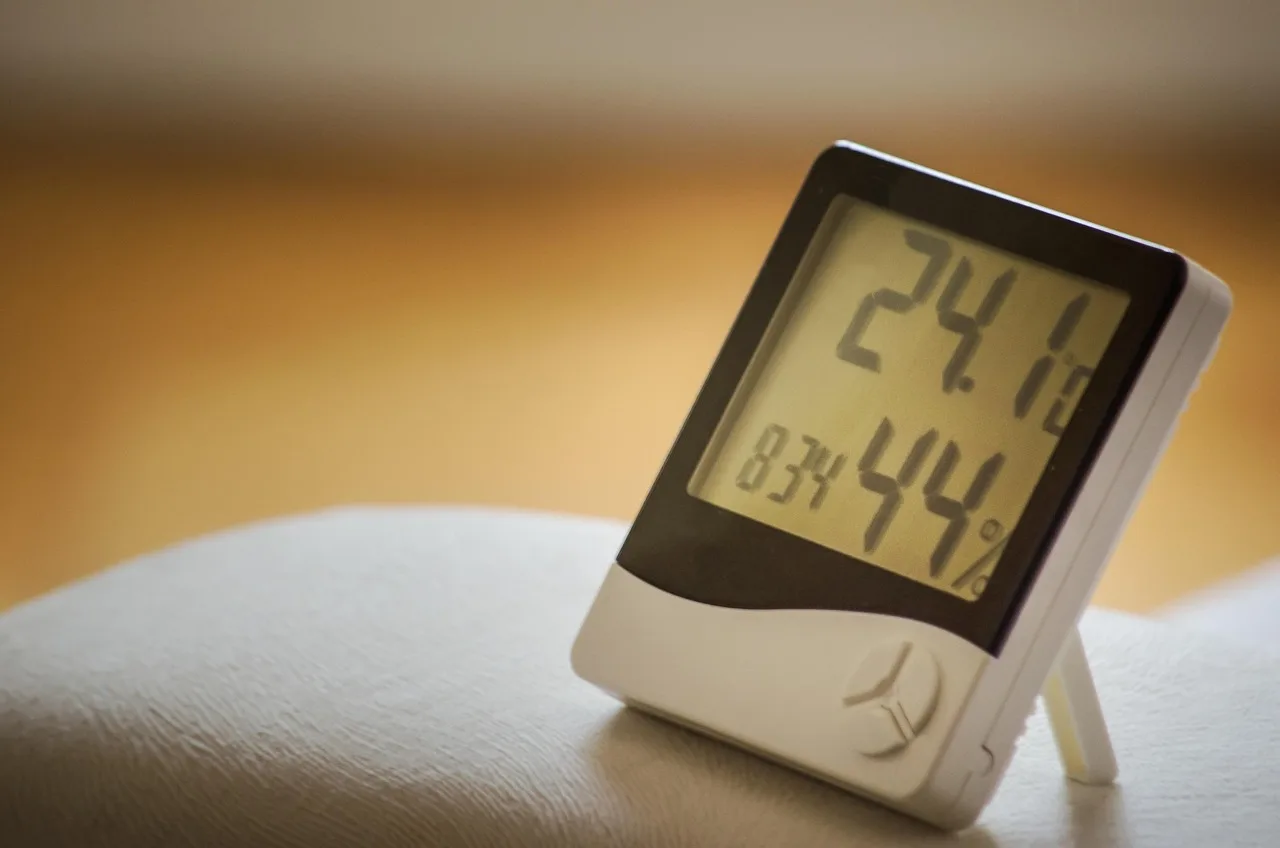
- A logging hygrometer is the one instrument every home archive needs. Everything else answers a question you have not asked yet.
- Ultraviolet is measured in microwatts per lumen, a ratio of UV energy to visible light. It describes the lamp, not the damage.
- Silica gel is conditioned to a target humidity before it goes in the box, never tipped in dry from the packet.
- A moisture meter earns its price after a leak, not before. Borrow one if you can.
- Buy a meter with a stated accuracy figure, not one that only claims a range.
Six instruments, named
What it is
- Inkbird IBS-TH2 or SensorPush HT1
- Bluetooth logging hygrometer and thermometer
- Extech RH490
- Handheld hygrometer with replaceable sensor
- Gossen Starlite 2
- Photographic light meter reading lux and EV
- Sekonic C-7000
- Spectrometer measuring UV ratio in microwatts per lumen
- Extech MO210
- Pin and pinless moisture meter for walls and floors
- AWS-100 or similar 0.01 g scale
- Checks whether conditioned gel has taken up water
Typical price band
- Inkbird IBS-TH2 or SensorPush HT1
- Under $60
- Extech RH490
- $200 to $400
- Gossen Starlite 2
- $400 and up
- Sekonic C-7000
- Several thousand dollars
- Extech MO210
- $150 to $300
- AWS-100 or similar 0.01 g scale
- Under $30
Buy or borrow
- Inkbird IBS-TH2 or SensorPush HT1
- Buy
- Extech RH490
- Borrow first
- Gossen Starlite 2
- Borrow
- Sekonic C-7000
- Borrow only
- Extech MO210
- Borrow
- AWS-100 or similar 0.01 g scale
- Buy
The Inkbird and SensorPush units log to a phone and cost less than a dinner out. That is the whole case for owning one. The Extech RH490 and the Gossen are instruments a conservator would recognize, and a historical society or county record office will often lend one or take a reading for you.
The Sekonic C-7000 is the only meter here that reports the UV ratio directly. At its price, no household should own one. Ask an institution, or ask a lighting supplier for the lamp's published UV output.
Why the UV ratio confuses everyone
The Canadian Conservation Institute's note on measurement of ultraviolet radiation sets out two ways to measure. You can record the absolute UV energy landing on a surface, or the UV energy relative to the visible light from the same source.
Heritage preservation uses the second. The unit is microwatts per lumen, and the note observes that professionals in other fields rarely meet it. The meter should face the light source while you take the reading.
For a household that means one thing. A reading in microwatts per lumen describes the lamp, not the exposure. Change the bulb and the number changes. The damage accumulates from hours of exposure, which no single reading captures.
Borrow before you buy
An ultraviolet meter answers a question about your lamps and windows. A moisture meter answers a question about one wall. Neither answer changes until you change the lamp or dry the wall.
Ask a local library, a historical society or a county record office whether they will lend one or take a reading for you. Several do. A tool that answers a once-only question is not worth its purchase price.
Silica gel is a technique, not a sachet
Conditioned gel holds a target humidity inside a sealed box. Dry gel from the packet does not, and can pull a box below the range you wanted.
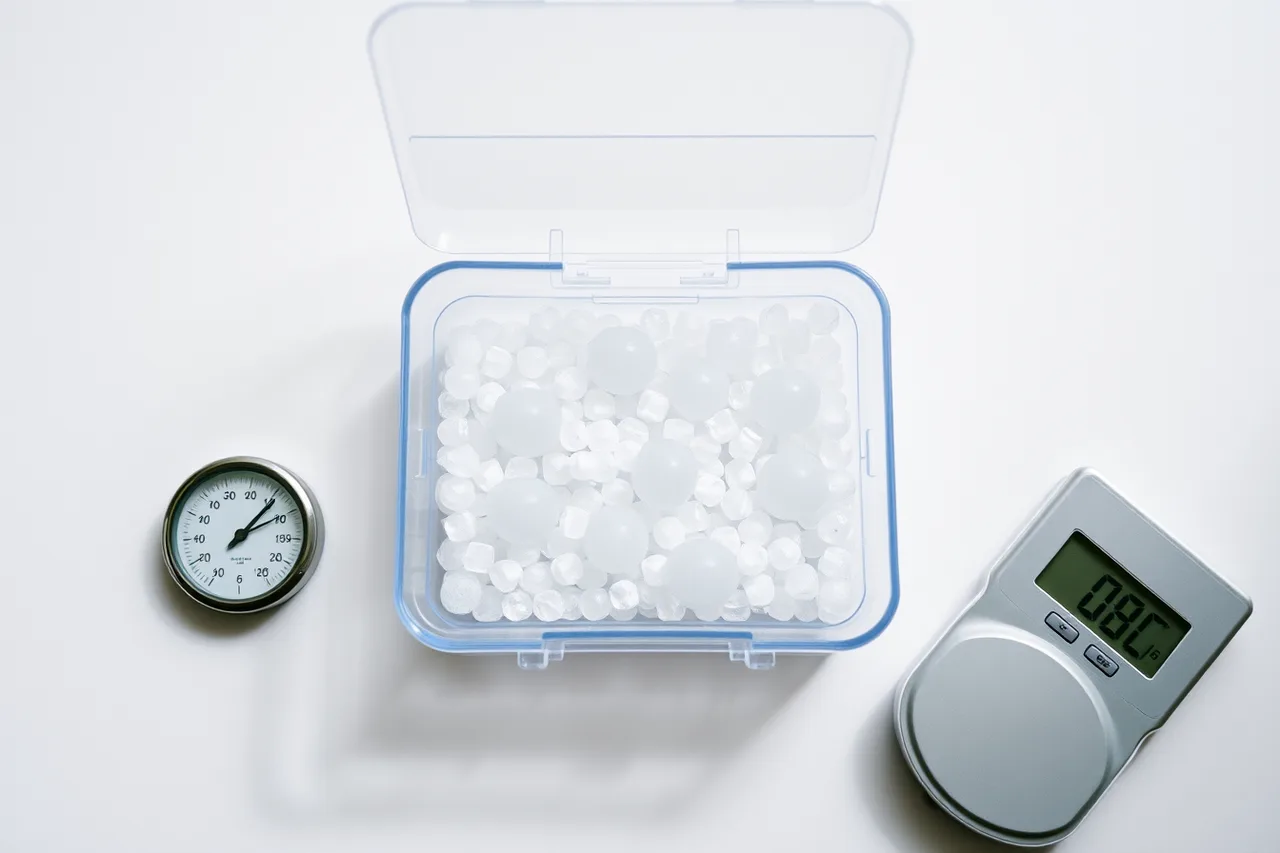
The Canadian Conservation Institute's note on preparing silica gel for contained storage is written around metal objects and the method generalizes. It starts from what cannot be changed: the metal, its existing corrosion, surface contamination such as dirt or salts. Humidity can be changed, and the note calls it the key factor.
Few institutions can dedicate a room to dry storage, and few objects need it. The household version is a sealed plastic box, conditioned gel, a hygrometer inside, and a 0.01 g scale to weigh the gel and see when it has taken up its capacity.
Weigh the gel before it goes in and write the figure on the lid. A gain of a few grams tells you it is working. A gain of many tells you the box is leaking.
Our guide to supplies compared on price and upkeep covers where these sit in the budget, and the notes on a photograph collection in a small flat cover using a sealed box when the room cannot be fixed.
Common questions
How accurate does a hygrometer need to be?
Consistency matters more than absolute accuracy. A meter that reads three percent high but steadily still shows you every swing. Check the spec sheet for a stated accuracy figure, because a range alone tells you nothing.
Should I calibrate it?
Once when new, against a saturated salt solution, then annually. It is a simple procedure and worth repeating. Logging meters drift, and a drifted meter is worse than none because you trust it.
Do I need a light meter?
Only if you display things. A phone light meter app distinguishes a bright wall from a dim one, which is enough for deciding where a framed photograph hangs. The Gossen and Sekonic meters are for people measuring for a loan or an exhibition.
How much silica gel does a box need?
Enough for the box volume and its leakage rate, which is a calculation rather than a guess. Underfilling achieves nothing. Weigh the gel, seal the box, and let the hygrometer inside tell you whether the quantity holds the target.