Reviews
Part of Starting a family archive: count the collection and fix storage before buying anything
A first kit for a family archive, and what it leaves out in 2027
The short list of supplies that earns its place on a family archive first pass, in buying order, plus the equipment worth delaying until you know the size.
What to take away
- Buy in three waves: measure, then house, then improve. Most people buy wave two first and get the sizes wrong.
- A thermometer with a humidity reading is the highest-value first purchase in the whole kit.
- Enclosures should fit the item. Oversized folders let contents slump and slide, which causes creases.
- No brands are named here. Nothing was tested for this article, and a supply list is not a product review.
Wave one: measure and record
Before a single box is ordered, buy the things that tell you what you have.
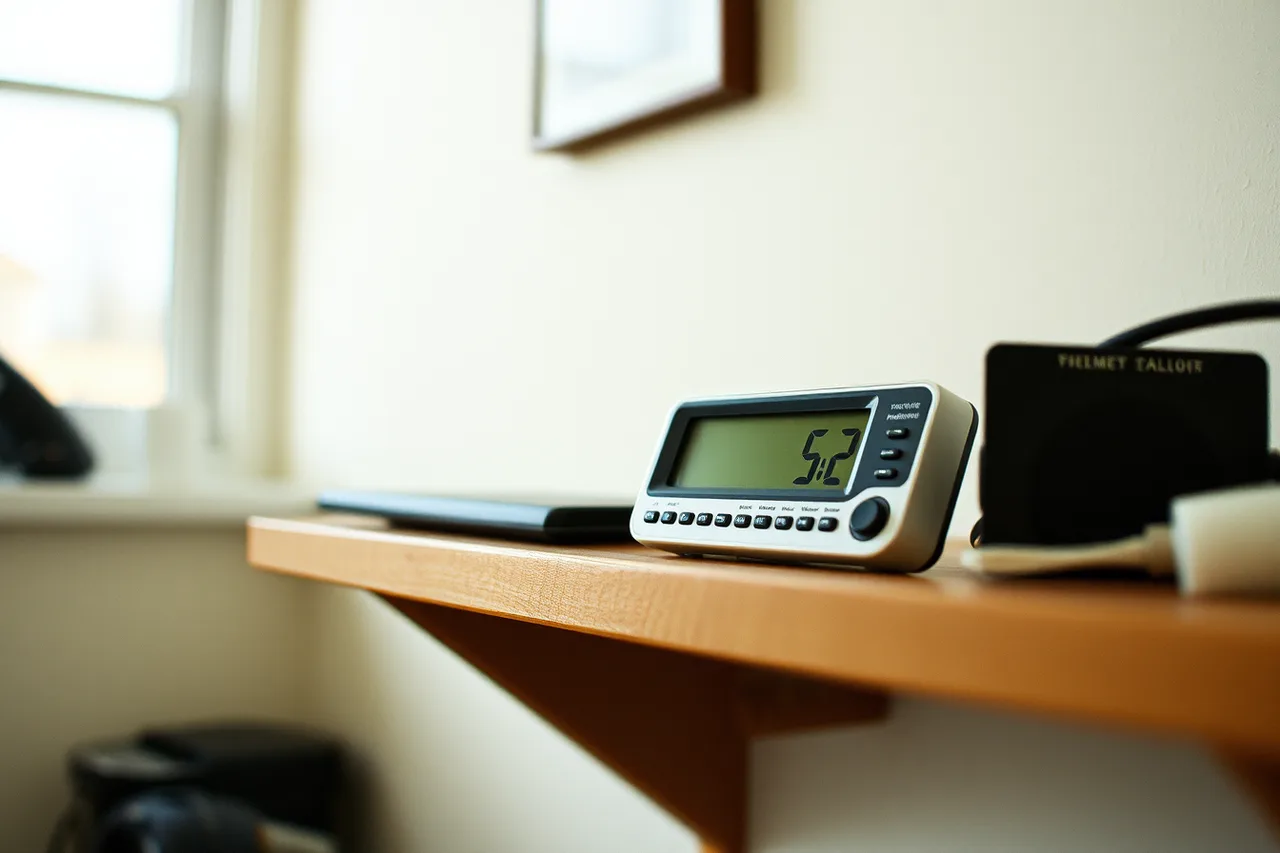
- A combined thermometer and hygrometerfor the room you intend to use. Two of them if you are choosing between rooms. Leave them a fortnight and read them daily.
- A tape measure and a notebook.Box dimensions, shelf depth, and the count of each material type.
- A pencil, graphite, nothing softer than HB.Archival practice is pencil only near originals, and the reason is simple: ink cannot be removed.
- A phone camera.Photograph bundles and drawer contents before you disturb them.
That is under thirty dollars of equipment and it prevents the two expensive mistakes: buying the wrong size, and buying for a room that turns out to be damp.
Wave two: housing
Now buy enclosures, and buy them to fit. Read the Canadian Conservation Institute's note on making enclosures for books and paper objects before you order. It carries one warning in particular: the term archival can be used by manufacturers to advertise products that are not safe for long-term storage, and is not a meaningful term by itself.
The same note flags an exception most buying guides omit. Cyanotypes and diazotypes are sensitive to higher pH and want unbuffered enclosures.
A workable wave two, in order:
- Folders sized to the documents, not to the box.
- Boxes sized to the folders, filled enough that contents stand upright.
- Clear polyester sleeves for the fragile and the frequently handled.
- Unbuffered enclosures set aside for blueprints and anything you cannot identify.
Wave three: handling and comfort
Buy a box of nitrile gloves, a few rigid trays or offcuts of board to carry items on, a soft brush, blotting paper, and a task lamp you can angle. Stop there.
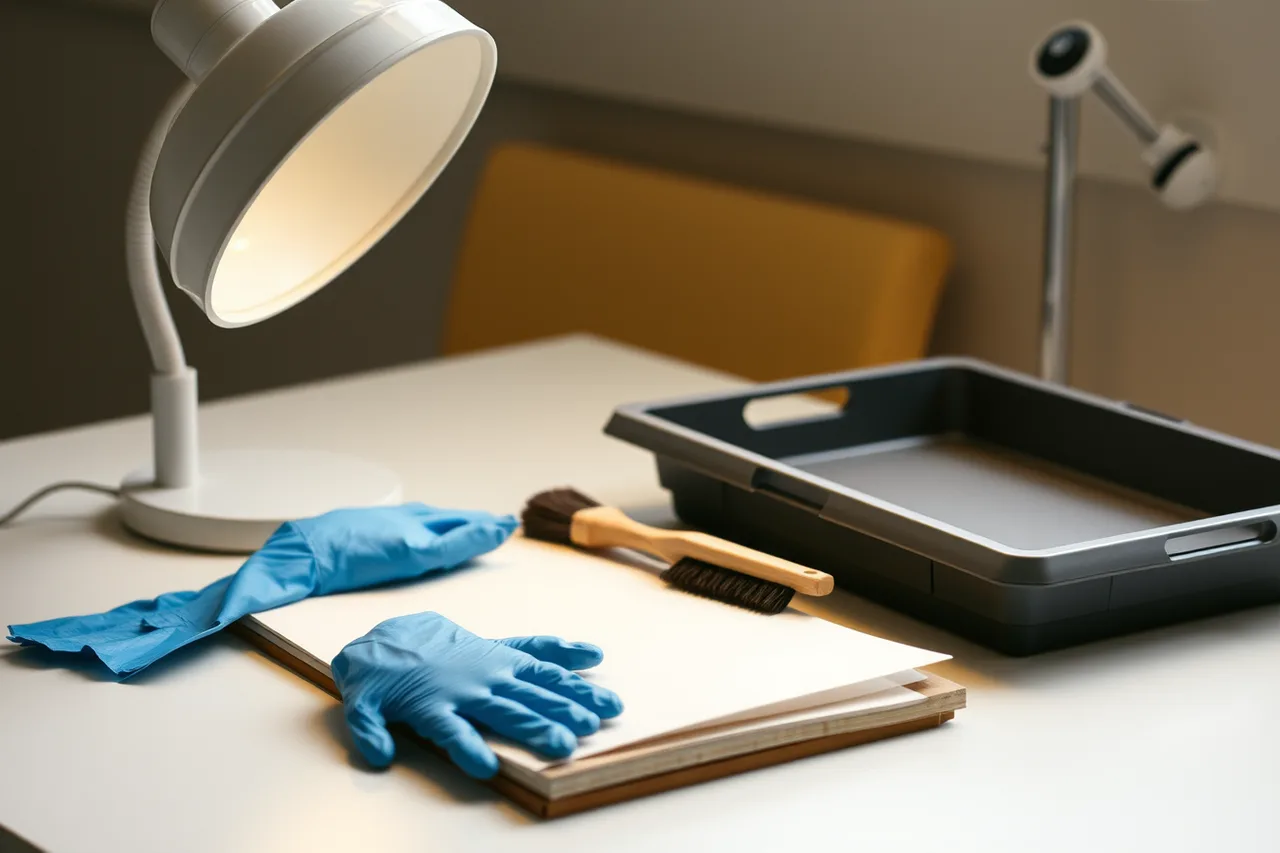
Gloves are worth a note. They are not automatic. For most plain paper, clean dry hands give better control and less risk of a dropped sheet. Gloves earn their place with photographs, negatives, coated surfaces, metal, and anything whose history you do not know.
What to leave out for now
Skip flat files, shelving units and any furniture until the count from wave one is finished. Skip a scanner until you know what you are scanning, because negatives and prints need different machines.
Then there is a list of things to skip permanently. The National Archives handout on preserving family documents and photographs names mounting materials to avoid: white glue, rubber cement, pressure-sensitive tapes and films, staples and hot glue-gun adhesives.
None of those age well, and all can physically damage or discolor paper and photographs. It singles out albums with self-stick pages, sold as magnetic, because of the adhesive on the mounting page.
The same handout gives target conditions in household terms. It describes a stable environment similar to what you find comfortable: 60 to 70 degrees Fahrenheit, 40 to 50 percent relative humidity, clean air, and good circulation.
It notes the central part of a home is safer than a hot attic, a damp basement or a garage.
The handout also explains why display is a purchase you should delay: the effects of light exposure are cumulative and irreversible. Permanent display of valuable documents is not recommended, and copies should be shown instead.
The starting point guide explains the count that sizes all of this, and our notes on what the packaging terms mean cover acid-free, buffered and inert before you spend.