Reviews
Part of Home archive shelving: line the wood or replace the unit
Storing home archive supplies: where board, tissue and foam go, and what the grab bag holds
How to store mat board, tissue, folders, foam and sleeves so they stay usable, plus what to keep in a grab bag for records you cannot replace.
What to take away
- Supplies stored badly become the contamination they were bought to prevent.
- Board stored on end bows permanently. Tissue in daylight yellows. Foam in damp holds it.
- Mold needs humidity between roughly 65 and 100 percent, warmth and poor air movement. Supplies stores usually supply all three.
- Some documents belong in a grab bag rather than in the archive at all.
Where supplies go wrong
Stored badly
- Mat board and card
- On end, leaning
- Acid-free tissue
- Loose, in daylight
- Folders and envelopes
- Open pack in a damp cupboard
- Foam and cushioning
- In a garage or loft
- Polyester sleeves
- Anywhere warm and dusty
- Adhesives and paste
- Beside the collection
Stored well
- Mat board and card
- Flat, off the floor, weighted
- Acid-free tissue
- Boxed, dark, dry
- Folders and envelopes
- Sealed, with the collection conditions
- Foam and cushioning
- Indoors, dry, out of sunlight
- Polyester sleeves
- Boxed, dust excluded
- Adhesives and paste
- Elsewhere entirely
That last row is worth stating plainly. Nothing wet, solvent-based or fresh belongs on the same shelf as the material.
Storage: Bad vs Good
Supply
- Mat board and card
- On end, leaning
- Acid-free tissue
- Loose, in daylight
- Folders and envelopes
- Open pack, damp cupboard
- Foam and cushioning
- In garage or loft
- Polyester sleeves
- Anywhere warm and dusty
- Adhesives and paste
- Beside the collection
Stored badly
- Mat board and card
- Flat, off floor, weighted
- Acid-free tissue
- Boxed, dark, dry
- Folders and envelopes
- Sealed, with collection conditions
- Foam and cushioning
- Indoors, dry, out of sunlight
- Polyester sleeves
- Boxed, dust excluded
- Adhesives and paste
- Elsewhere entirely
Stored well
- Mat board and card
- Acid-free tissue
- Folders and envelopes
- Foam and cushioning
- Polyester sleeves
- Adhesives and paste
The humidity threshold
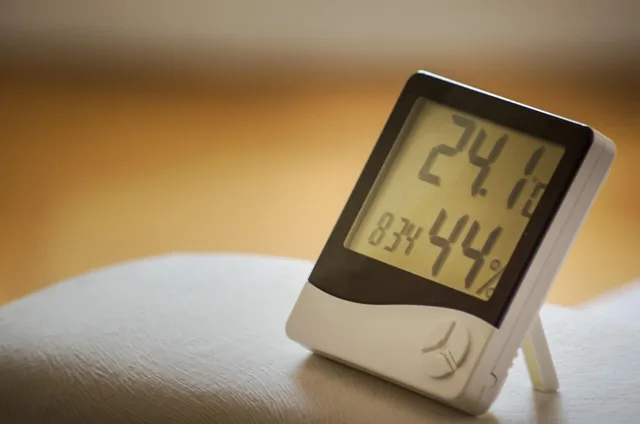
Supply cupboards are usually the least monitored space in a house, which is how mold starts in them.
Mold prevention checklist
- Monitor supply cupboard humidity
- Keep supplies with collection conditions
- Treat mold as health risk
- Use protective equipment for contaminated spaces
- Remove growth from objects safely
The Canadian Conservation Institute's technical bulletin on mold prevention and collection recovery covers mold morphology, prevention, what to do when it occurs, and health effects of exposure. It also explains removing growth from objects and protective equipment for contaminated spaces.
The health framing is the part households underrate. It treats mold as something that can damage objects and pose a risk to the people working with them, which is why the protective equipment section exists at all. A cupboard of moldy folders is a job for a mask, not a bin bag and a Saturday morning.
Prevention is simply the same conditions you set for the collection. Keep supplies where the collection lives, or somewhere equally stable, and stop treating them as hardware.
Label the stock, not just the collection
Supplies arrive in packaging that gets thrown away, which is how a cupboard ends up holding several unidentifiable white boards. Write on the shelf edge or on the first sheet of each stack: what it is, whether it is buffered, when it was bought and where from.
That note costs nothing and settles the question you will otherwise have to guess at, which is whether the board you are about to put against a photograph is the unbuffered stock or the buffered stock. Guessing there is how the wrong material ends up in contact with the one item that could not take it.
What belongs in a grab bag instead
Some of what people file in a family archive should not be there. The Federal Emergency Management Agency's guidance on safeguarding critical documents and valuables draws that line.
Once immediate danger passes, having financial and medical records and contact information lets recovery start quickly. Taking time in advance to safeguard those documents avoids added stress in the days after a disaster.
Its first instruction is to take an inventory of household documents, contacts, and valuables using a checklist. Include emergency contact numbers with the documentation for questions arising afterwards.
Its household identification section covers documents to identify yourself and household members, including children and pets, and their relationships or status. Vital records include birth, marriage, and divorce certificates, adoption and child custody papers.
It also asks a question worth answering before an emergency rather than during one: which priceless personal items would you want to protect from damage, or take with you, if you had to evacuate suddenly.
Answer it in writing. Then keep the copies somewhere you can reach in two minutes, and leave the historic material in stable storage where it belongs.
Our guide to supplies compared on price and upkeep covers what to buy, and the notes on storing mixed material cover the collection itself.