Reviews
Home archive shelving: line the wood or replace the unit
Home archive shelving decides what the boxes sit on. How to choose between lining bare wood and buying steel, and what upkeep each choice asks of you.
What to take away
- If the shelf is bare wood, line it with heavy acid-free board or polyester film instead of replacing the unit.
- Bare wood cannot be wiped down the way laminate can, so the liner does the cleaning job.
- Furniture is the priciest supply tier, several hundred dollars and up, so buy it last, after the count.
- The room still comes firsta stable, dry, dim room matters more than the unit inside it.
Wood, steel or flat file: the shelf decision
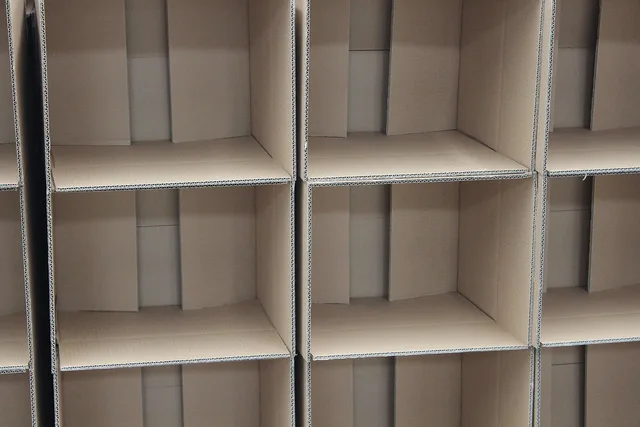
If the unit is bare wood, keep it and line it. Replacing a unit is a furniture purchase, and furniture sits in the priciest tier of archive supplies. The count of what goes on the shelf comes before any decision about the shelf itself.
| Option | What it costs | What it asks of you |
|---|---|---|
| Bare wood shelf you already own | Board or film for a liner | Line it, never wet-clean it, expect it to soften with age |
| Powder-coated steel shelving | Several hundred dollars and up | Buy last, after the count |
| Flat files | Several hundred dollars and up | Buy last, after the count |
Steel shelving and flat files belong to the furniture tier, and that tier is bought last. Boxes ordered before the collection is measured are the classic case of overspending, and they are the most expensive thing to get wrong.
Why bare wood is awkward to keep clean
Bare wood cannot be wiped down the way laminate can, so it accumulates dirt. The Canadian Conservation Institute's note on unfinished wood explains why. The surface is soft enough to be damaged by some cleaning methods, and older wood is softer than new.
Wood also absorbs water, which rules out wet cleaning. Water and solvents swell the fibers, raise the grain, and can pull surface dirt below the surface as a stain. That leaves few cleaning options, so keep the boxes off the bare surface.
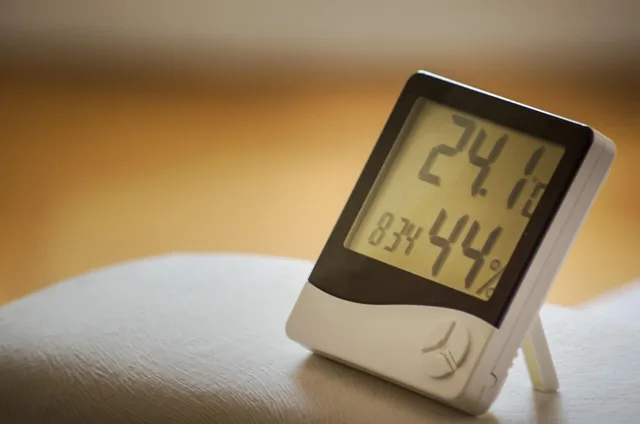
It also moves with humidity under whatever stands on it, which is another reason to read the room before buying the shelf. A hygrometer from a hardware store reads the same air as one from a conservation catalogue, though the conservation-grade units hold calibration longer.
Lining a shelf in five steps
A liner is the household answer to bare wood: heavy acid-free board or polyester film between the wood and the boxes. The unit stays, and what touches the boxes is something you can replace. Five steps put one in place.
- Count what goes on the shelf and measure its length, because the shelf is priced last.
- Leave the bare wood dry. Wet cleaning swells the fibers and can leave a stain.
- Cut heavy acid-free board or polyester film to the shelf.
- Lay the liner between the wood and the boxes, so nothing rests on the bare surface.
- Set the boxes on the liner, and add the shelf to the schedule on which you inspect the collection.
Spare board and film need a place of their own, and storing home archive supplies covers where board, tissue and foam go.
Where the shelf goes
Put the shelf in a stable room, because the room is the first factor to settle. The Missouri Secretary of State's storage and housing guidance lists the environmental conditions, the storage furniture, how the collection is prepared and the enclosures.
Home storage condition targets
- Below 70°Fkeep storage temperature
- 35–50%target relative humidity
- No direct lightblock UV from sun and fluorescents
Its targets work at home. Keep storage below 70 degrees Fahrenheit, because cooler air slows the chemical reactions inside paper. Aim for relative humidity between 35 and 50 percent, because damp air speeds those same reactions. Keep the area out of direct light, since ultraviolet from sun and fluorescent tubes drives the damage faster.
That order is the argument. A collection in a stable room with ordinary boxes is better off than one in expensive boxes in a garage, and a new shelf does not change the room it stands in.
Upkeep for a lined shelf
Plan the upkeep before buying anything. Consumables run out, hygrometers drift and need replacing, boxes get crushed and folders get refiled. Budget a small annual spend rather than treating this as a one-time equipping exercise, and check supplies on the same schedule you use to inspect the collection.
A lined wood shelf keeps its upkeep in the liner, which can be swapped, while the bare wood under it stays untouched. Steel and flat files are priced as furniture, so the same rule applies: count first, then buy.
Common questions
Should I replace old wooden shelves?
Not as a first move. The household answer is to line the shelf rather than replace the unit, with heavy acid-free board or polyester film between the wood and the boxes. Older wood is softer still, which is a reason to keep boxes off it.
Can I wipe a wooden shelf clean?
Not with water. Bare wood absorbs water, which rules out wet cleaning, and water and solvents can swell the fibers and raise the grain. It cannot be wiped down the way laminate can, so a liner is the better answer.
Is steel shelving worth the price?
It belongs to the furniture tier, which starts at several hundred dollars and up. Buy it last, after you have counted what goes on it. A stable, dry room matters more than the unit.
Do I still need a hygrometer?
Yes. It is the most underrated purchase, and it reads the room the shelf sits in, which is where the damage starts.
In this guide
- 4 points on home archive lighting that matterLighting a collection: lamp choice is a preservation decision as well as a photographic one. Why some LED lamps fade material faster than the lamps they replaced.
- Measuring tools for a home archive, compared for a first-time buyerA first-time buyer's comparison of hygrometers, light meters and moisture meters, and which measuring tools a home archive should actually own.
- Home archive supplies learning plan: practice a double boxA home archive supplies learning plan for a weekend: practice building a reusable double cardboard box, place hand holes, cushion it, and test it.
- Storing home archive supplies: where board, tissue and foam go, and what the grab bag holdsHow to store mat board, tissue, folders, foam and sleeves so they stay usable, plus what to keep in a grab bag for records you cannot replace.
- Home archive supplies get tested through two contained practice projectsTesting a fabric for colorfastness and preparing a mount board: two contained projects that teach you to test materials before trusting them with anything.