Maintenance
What coastal damp does to a Vancouver home archive and how to counter it
Vancouver home archive and coastal damp: how mould, humidity and ventilation threaten paper, plus storage, monitoring and dehumidifier steps that work.
What to take away
- A Vancouver home archive and coastal damp are a long-term pairing: the region's mild, wet winters keep indoor relative humidity high enough for mould to start on paper and photographs.
- Mould needs damp, still air and organic material. Remove any one of those and growth stalls, so ventilation and enclosure choices matter as much as cleaning.
- Paper and photographs do best in a stable, moderate relative humidity. Big swings cause cockling, brittleness and foxing, and the Canadian Conservation Institute treats incorrect relative humidity as a primary agent of deterioration.
- Monitor with a cheap digital thermo-hygrometer before you buy equipment. You cannot manage what you have not measured.
- A dehumidifier or a heat pump earns its place in a basement or ground-floor room that stays damp through the winter. In a dry, above-grade room, ventilation and good boxes usually cost less.
- Act on water fast. A slow leak behind a shelf does more damage in a week than a decade of ordinary coastal air.
What coastal damp does in a Vancouver home
Vancouver winters are mild and wet, not cold and dry. Outdoor air sits near saturation for months, and indoor air follows unless you heat and ventilate deliberately. Paper is hygroscopic: it takes up and releases moisture with the air around it.
That means a box of letters in a Kitsilano basement can feel dry in July and clammy by November without anything visibly changing. Fibres swell, pages cockle, and ink and adhesive layers move at different rates from the paper beneath them.
Coastal damp also carries salts and pollutants inland from the Strait of Georgia. Over years these accelerate yellowing and weaken folds. The damage is cumulative and mostly invisible until a page tears along a crease you have opened a hundred times.
Cold surfaces are the other problem. Exterior walls, concrete floors and uninsulated crawlspaces sit below the dew point in winter. Moisture condenses there, and that is where mould colonies establish first.
If you have already found fuzzy growth on a family collection, the cause is usually environmental rather than bad luck, as these photo archives buying cases show. Treat the room, not just the pages.
Mould, humidity and ventilation in coastal BC
Mould spores are everywhere in coastal BC air. They only colonise when relative humidity at the surface stays high, roughly above 65 per cent for a sustained period, and the material is organic. Paper, board, leather, cloth and gelatin photographic layers all qualify.

Once active, mould digests the material it grows on and leaves permanent staining. It also produces spores that irritate lungs, so handle a mouldy collection outdoors or under ventilation, with gloves and a mask. Do not brush spores into the air indoors.
Ventilation does two jobs. It carries moist air out and equalises conditions between rooms, which reduces the condensation that forms on cold walls and floors. A closed, unheated spare room is often the dampest space in a Vancouver house.
The Canadian Conservation Institute lists incorrect relative humidity among the main agents of deterioration, noting that damp conditions drive mould, corrosion and dimensional change in paper and photographic materials. You can read its guidance on incorrect relative humidity directly.
Water is the related risk. Burst pipes, roof leaks and blocked drains are common in a wet coastal autumn, and a wet collection deteriorates within days. The CCI's page on water damage to collections sets out why speed matters.
Damp also invites pests. Silverfish, carpet beetles and rodents favour dark, humid storage, and they damage paper and textiles in ways that are hard to reverse. See the CCI notes on insect and rodent risks for the signs to watch.
Monitoring a home archive through the wet season
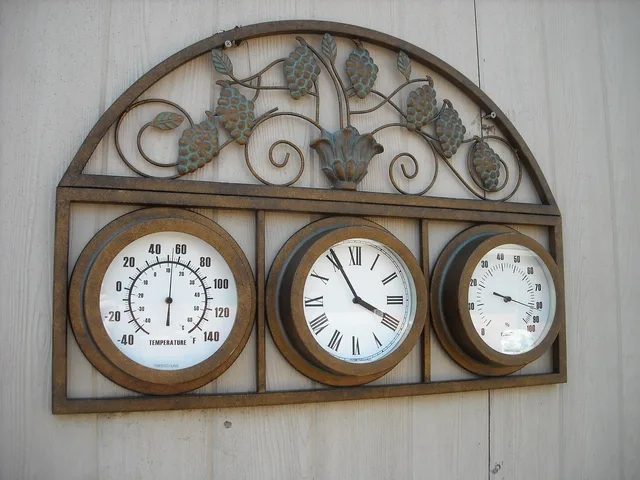
Buy a digital thermo-hygrometer with a memory function. Two or three units cost less than a single archival box of acid-free folders, and they tell you whether the room is actually a problem. Place one at shelf height, one near the floor, one against the coldest wall.
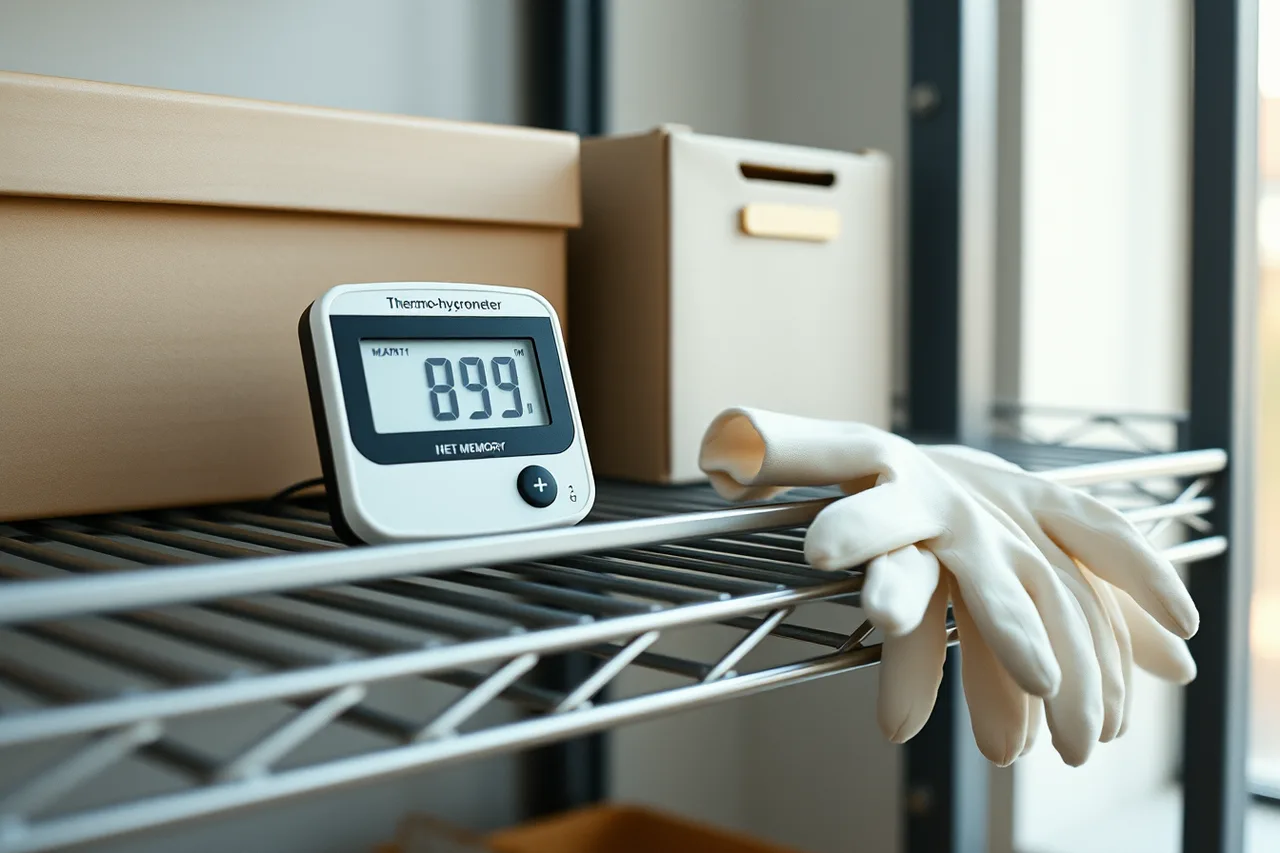
Log readings weekly from October to April, which is when coastal BC humidity does its damage. Note the daily high and low, not just the average. A room that swings from 40 to 75 per cent is harder on paper than one that holds steady at 55.
Watch for the specific humidity signs that a cupboard is failing: soft or wavy board, a musty smell when you open the door, condensation on the inside of a window or cold pipe, and photographs that curl at the edges.
A simple routine works better than a complicated one.
Monitoring through the wet season
- Read each hygrometer at the same time each week and write the number down.
- Open the storage door for ten minutes when the outdoor air is drier than indoors, usually a cold clear afternoon.
- Check the coldest wall and the floor behind boxes for condensation or dark spots.
- Photograph anything that looks new, so you can compare next month.
- Empty and inspect one box per month on rotation, rather than all of them at once.
A worked example from a Mount Pleasant ground-floor flat: a hygrometer on the shelf read 72 per cent in January while the hallway read 51. The fix was not a new box. It was moving the shelf 15 centimetres off the exterior wall and running a small dehumidifier two hours a day.
Storage and enclosure choices for damp rooms
Enclosure slows moisture exchange, but it cannot rescue a wet room. A sealed box in a damp space simply holds damp air against the contents. Fix the room first, then choose the container.
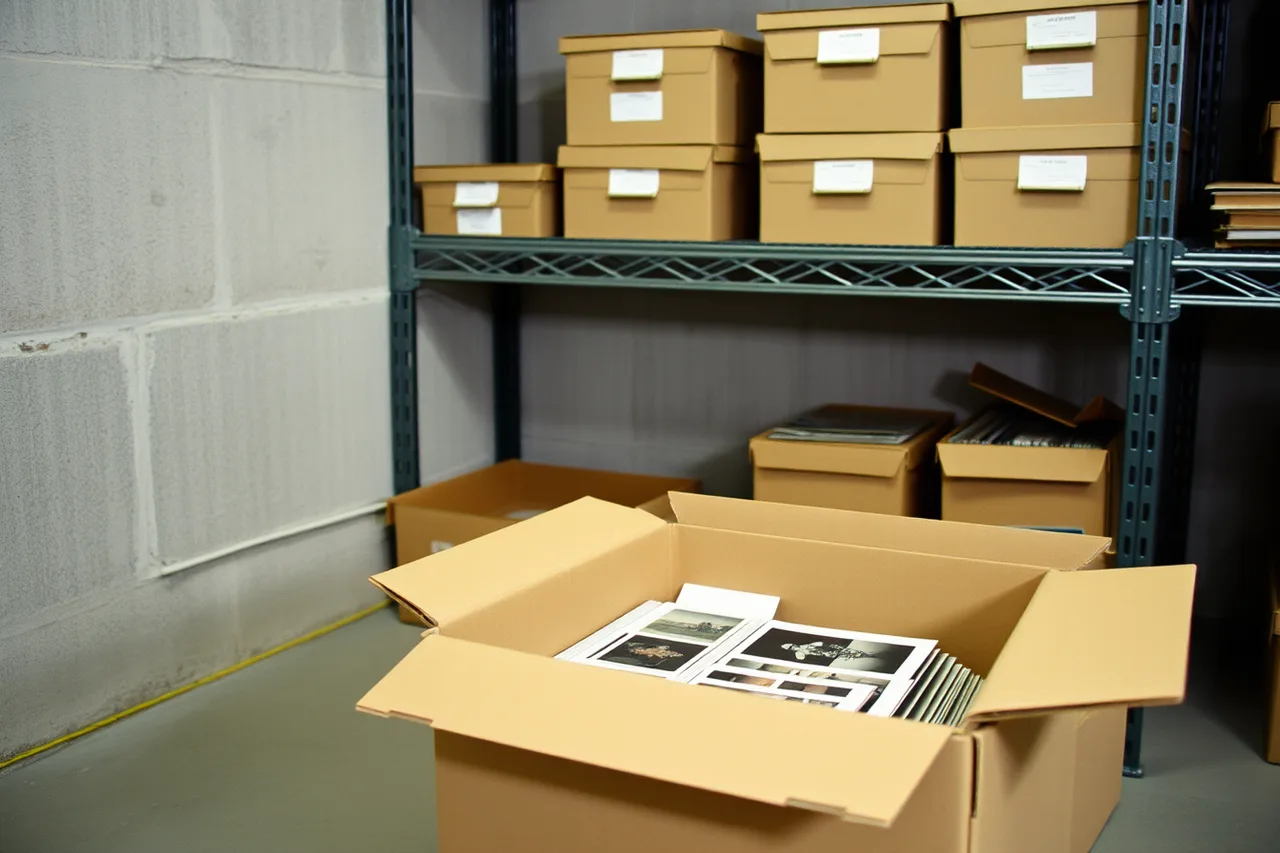
The CCI's general precautions for storage areas are written for institutions but apply directly to a home archive: keep storage off the floor, away from exterior walls and out of unventilated corners.
Raise everything at least 15 centimetres off concrete. Use metal shelving rather than wood against a damp wall, and leave a gap behind the shelf for air to move. Never store boxes directly against a foundation wall or under a bathroom or kitchen.
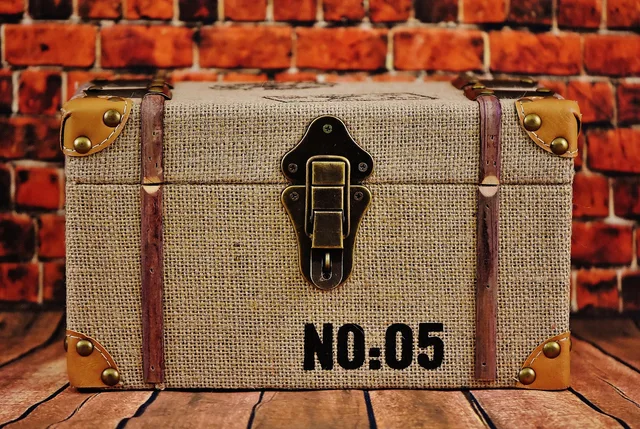
For containers, choose acid-free boxes with tight lids for paper, and separate photographs into sleeves rather than stacking them face to face. Cupboard versus closet is a real decision in a Vancouver house: a closet on an interior wall usually beats a cupboard on an exterior one.
The storage question is not only about material. It is about one shared condition: the whole collection should sit in the same stable environment, so a document moved between boxes does not have to re-acclimatise.
- Hygrometer reading logged weekly from October to April
- Boxes raised off the floor and clear of exterior walls
- No storage under sinks, bathrooms or kitchen appliances
- Photographs sleeved, not stacked face to face
- Mouldy items isolated in a sealed bag and assessed outdoors
- Cold walls and floors checked monthly for condensation
- One box inspected and rotated each month
When a dehumidifier or heat pump earns its place
A dehumidifier is worth buying when a monitored room stays above roughly 60 per cent relative humidity through the wet season, or when condensation keeps returning to a cold surface. Below that, ventilation and better boxes usually do the job for less money and noise.
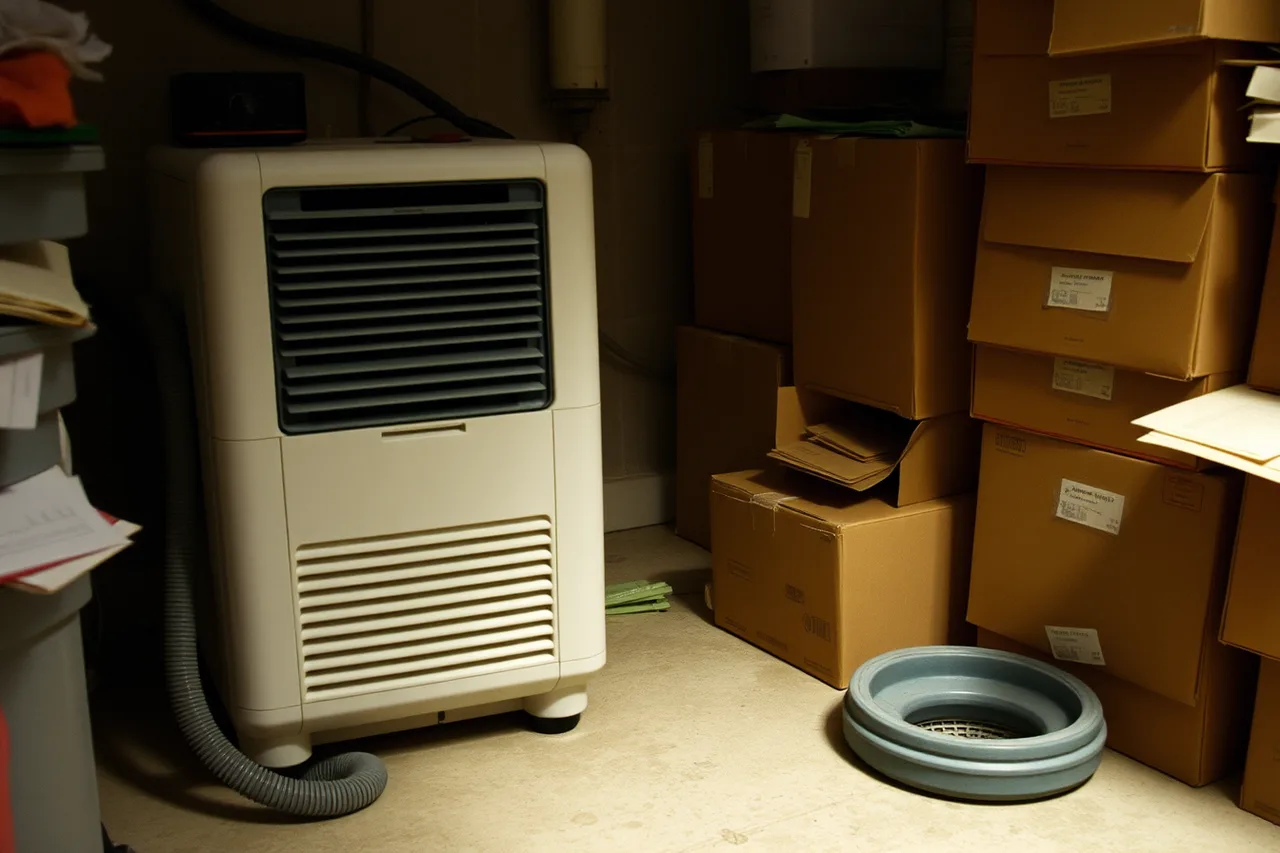
Size matters more than features. A small compressor unit suits a single room or closet; a larger one suits an open basement. Look for a humidistat so the machine switches itself off at your target, and drain it continuously rather than emptying a tank twice a day.
Run it with the door closed, or you are drying the whole Lower Mainland. Keep the unit clear of the collection so it does not blow damp exhaust across boxes, and clean the filter monthly, since a clogged filter turns a dehumidifier into a fan.
A heat pump does the same work while heating or cooling the room, which suits a basement that is already cold and damp. Natural Resources Canada publishes guidance on electric heat pumps covering sizing, efficiency ratings and cold-climate performance relevant to BC homes.
Whichever you choose, keep monitoring. Equipment fails quietly, and a dehumidifier that stops in November may not be noticed until March. A power outage during a storm is enough to reset a damp room, which is why coastal households plan for it the way others plan for Hurricane Photo Storage.
A coastal damp checklist for Vancouver households
Use this at the start of the wet season and again in spring.
Coastal damp checklist
- Measure first. Put hygrometers at shelf height, floor level and against the coldest wall, and record a baseline for two weeks.
- Fix water before air. Repair drips, clear gutters and drains, and check the roof and window seals before the October rains.
- Move storage. Get boxes off concrete, off exterior walls and out of unventilated corners.
- Ventilate on dry days. Open the storage room when outdoor air is drier than indoor air, and keep bathroom and kitchen fans running.
- Enclose properly. Acid-free boxes, sleeves for photographs, and nothing sealed until the room itself is stable.
- Control humidity. Add a dehumidifier or heat pump only where readings justify it, and set a humidistat target.
- Inspect on rotation. One box a month, with photographs of anything that has changed.