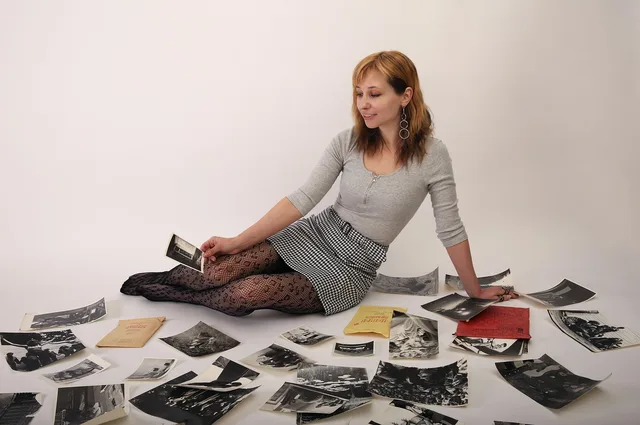
A beginner's order for organizing a family collection: select what to keep, group it, label boxes and files, copy the fragile and the digital; check twice a year.
The short list of supplies that earns its place on a family archive first pass, in buying order, plus the equipment worth delaying until you know the size.
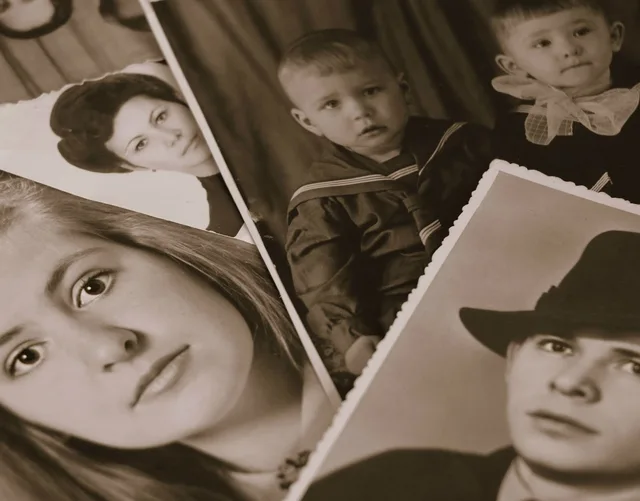
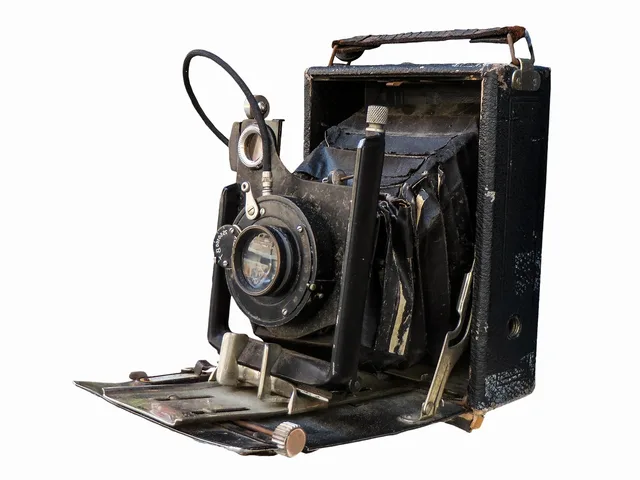
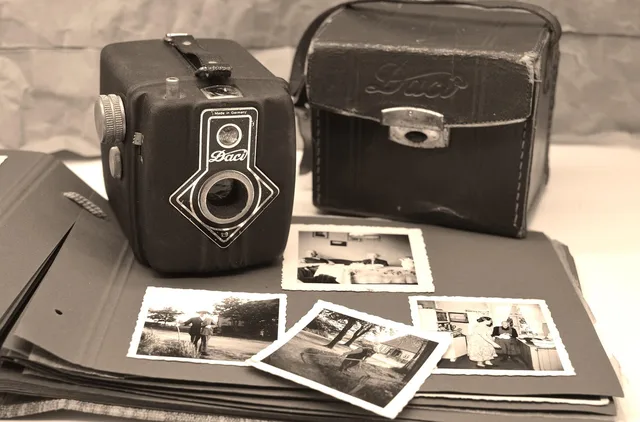
A working sequence for family photographs: identify the processes, set the conditions, copy what is fragile, then house the originals and leave them alone.
Running a photograph archive without a spare room: choosing the least bad cupboard, monitoring it properly, and using an upright freezer as cold storage.
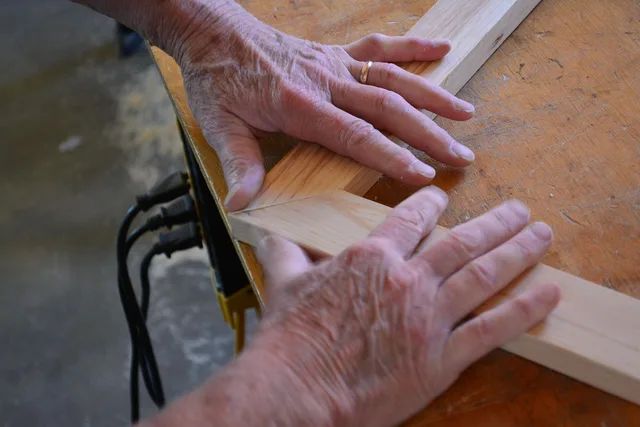
Weekend spent learning to mount and support: a two-day practice plan done entirely on scrap and copies, cooking a reversible paste, cutting mat windows.
Choosing a table for archive work: size, height, light and the rules about food, drink and pens that make a household surface behave like a reading room.
A home scanning station costs between a few hundred and a few thousand dollars in 2027, depending on the scanner, the bench and the supplies you choose.
This document preservation comparison covers household risks from water, light, folding and access, plus separating working papers from historic records.
When framing or mounting should go to document preservation companies instead of your own hands, five questions for a shop, and where conservators are listed.
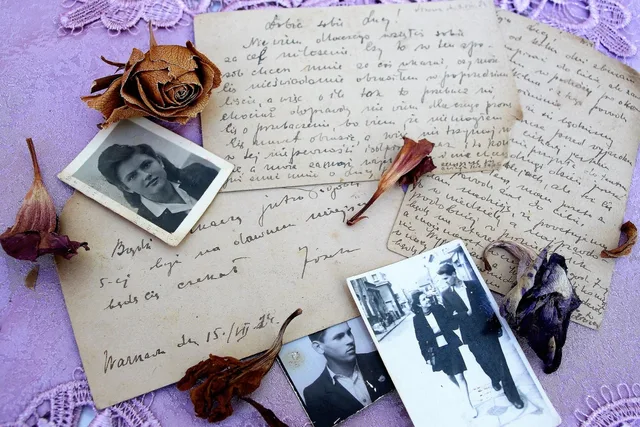
How to begin a family archive: count before you buy, fix the storage location first, keep original order, and do only reversible work in the first pass.
Family archives mistakes like tape, lamination, and refiling can cause lasting harm. Learn safer alternatives and how to preserve a relative’s original order.
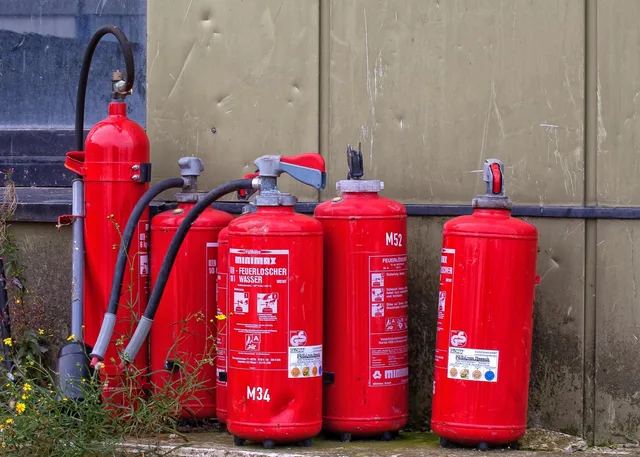
Fire and emergency planning translated to a house: the three-element model behind fire risk, and the hazard survey that turns worry into a short list of fixes.
Risk in a photograph collection follows the material, not the subject. How to spot nitrate and acetate film, cased images and color, and what each one needs.
Family archives materials: what the words on archival packaging mean, where lignin and alum-rosin sizing come from, and when buffered storage is the wrong choice.
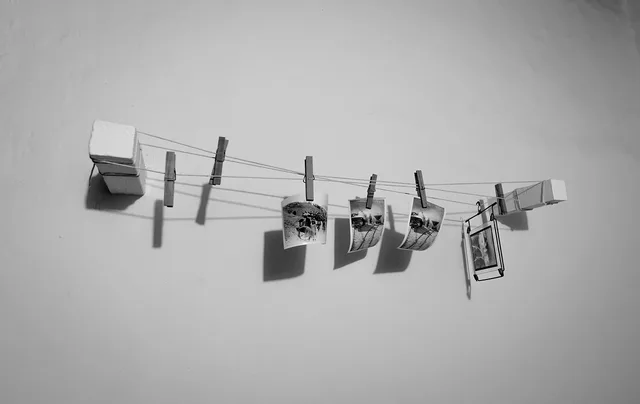
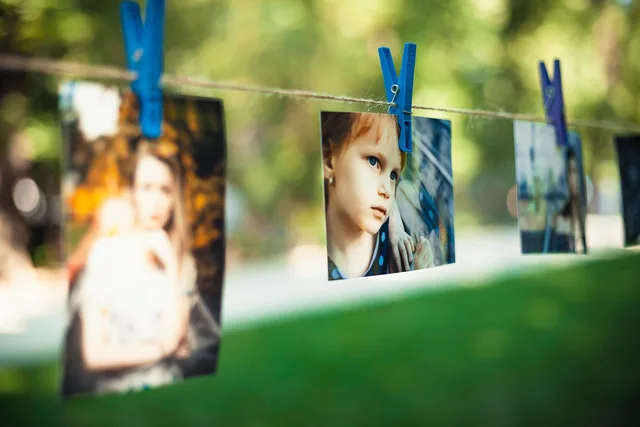
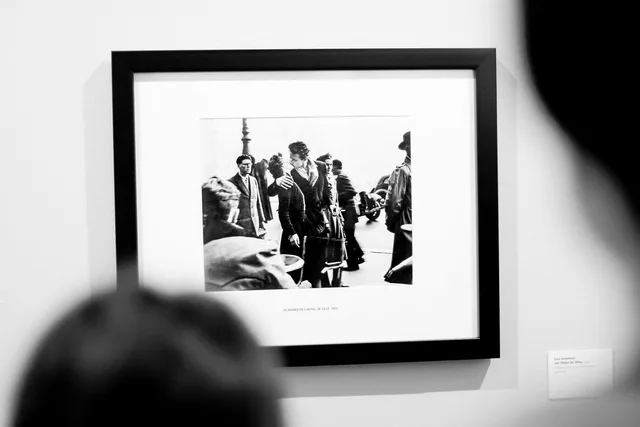
Memory display ideas how to mount a copy: use reversible supports for the original, keep glazing off the surface, and leave a stuck original in its frame.
Storing framed pieces and textiles between rotations: where display items go when they come off the wall, vertical screens for frames, flat storage for textiles.
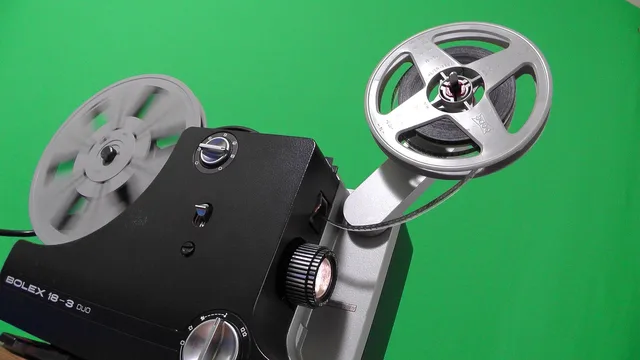
How a digitization project is actually planned: the order institutions work in before any scanning starts, identify the formats, assess condition, inventory.
Rolling a flag, framing a sampler, and building a rotation board: three contained projects that teach a single technique each without risking a collection.
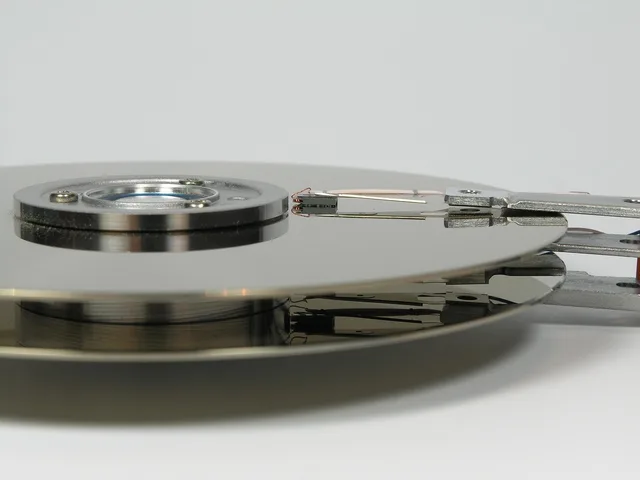
No price list here. The real cost of digitizing is the maintenance a file needs after it exists: readable media, working hardware, and copies that get checked.
What institutional practice teaches a household collection: the conservation basics that transfer from an archive to a house, the ones that need a building.